
Healthy and Happy series
Separating fact from fiction in pet care: essential tips for your dog and cat’s food, health, and happiness.
🐶 Healthy & Happy: Dog Food Myths Busted

Choosing the right food for your dog can feel overwhelming, with so many brands, labels, and advice out there. To make things clearer, let’s bust some of the most common myths 👇
❌ Myth 1: All working dog breeds need working dog food
✅ Truth: What matters most is activity level, not breed. Dogs who do sustained jobs (farm dogs, gundogs, sled dogs) need extra calories and protein. Energetic house pets (like collies or spaniels) may be busy, but if they’re not truly “working” every day, a good quality adult food is usually a better fit.
❌ Myth 2: Grain-free is always healthier
✅ Truth: Grain-free doesn’t automatically mean better. Some dogs with allergies benefit, but most dogs digest grains well. Grain-free diets often swap grains for other starchy ingredients, so they’re not always lower carb.
❌ Myth 3: Raw diets are always the best choice
✅ Truth: Raw feeding can work, but it must be carefully balanced and hygienically prepared. Poorly prepared raw food carries bacteria like Salmonella or E. coli, which can make both dogs and people sick. Always use properly formulated, vet-approved raw diets.
👉 Changing Food Safely: Always transition over 7–10 days. Start with 75% old food, 25% new, and increase the new gradually until fully changed. This prevents tummy upsets.
🥕 Snacks for Healthy Teeth: Carrots, apple slices (no seeds), cucumber, peppers, and vet-approved dental chews. Avoid grapes, raisins, onions, garlic, chocolate, and xylitol.
✨ Key takeaway: Food should match your dog’s lifestyle, health, and energy needs — not just their breed or the latest trend. For tailored advice, always talk to your vet.
🐱 Healthy & Happy: Cat Food Myths Busted
Feeding cats can be confusing. Cats are obligate carnivores, which means they need meat to survive — but there are still lots of myths out there. Let’s clear a few up 👇
❌ Myth 1: Cats can be vegetarian
✅ Truth: Cats need taurine, an amino acid found only in animal protein. Without it, they can develop blindness and heart disease.
❌ Myth 2: Cats can live on dry food alone
✅ Truth: Cats naturally have a low thirst drive. Relying only on dry food can increase the risk of kidney or urinary problems. Including wet food helps them stay hydrated.
❌ Myth 3: All cats should eat grain-free
✅ Truth: Like dogs, most cats digest grains just fine. Grain-free diets are only necessary if a vet has diagnosed a specific sensitivity.
👉 Changing Food Safely: Cats are sensitive to sudden changes. Transition slowly over 7–10 days, gradually mixing new food with old.
🥩 Feeding Tips:
- Match food to life stage: kitten, adult, senior.
- Indoor cats often need fewer calories than outdoor cats.
- Always provide fresh water in multiple spots — some cats prefer fountains!
✨ Key takeaway: Cats need meat, hydration, and food matched to their lifestyle. For the healthiest choice, your vet can recommend the right diet for your individual cat.
🐶 Healthy & Happy: Fleas — What Every Dog Owner Should Know
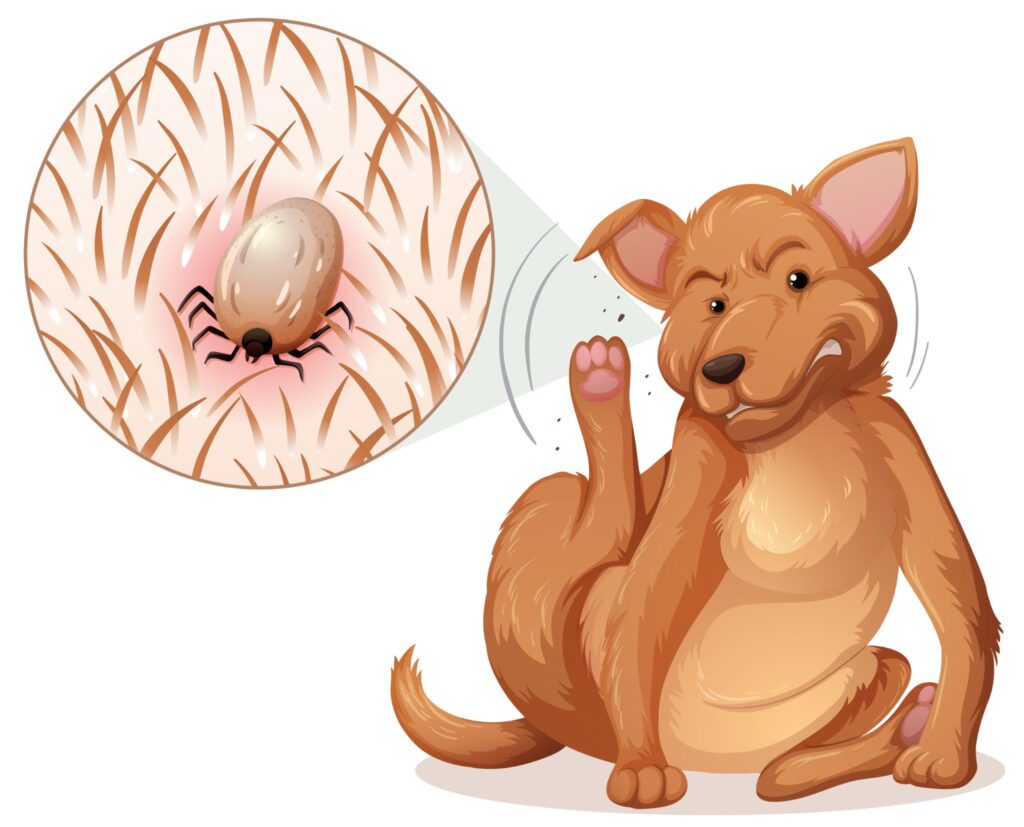
Keeping your dog’s teeth clean is about much more than fresh breath 🦷. Dental disease is one of the most common health problems in dogs, and it can lead to pain, infections, and even issues with the heart and kidneys. Here’s what you need to know 👇
❌ Myth 1: Bad breath is normal for dogs
✅ Truth: It’s not. Bad breath is often the first sign of dental disease. A healthy mouth should not smell unpleasant.
❌ Myth 2: Dry kibble cleans teeth on its own
✅ Truth: While chewing can help a little, kibble alone isn’t enough to prevent plaque and tartar build-up.
👉 Tips for Healthy Teeth:
- Brush your dog’s teeth daily if possible, using a dog-safe toothpaste (never human toothpaste).
- Use vet-approved dental chews or toys designed to reduce tartar.
- Offer crunchy snacks like raw carrots or apple slices (remove seeds).
- Book regular vet check-ups — they can spot problems early.
⚠️ Watch for signs of trouble: bad breath, drooling, pawing at the mouth, difficulty eating, or yellow/brown build-up on teeth.
✨ Key takeaway: Dental health is vital for your dog’s overall wellbeing. Prevention is always easier than dealing with dental surgery later. Keep those teeth clean and your dog will thank you with a happier, healthier smile.
🐱 Healthy & Happy: Fleas in Cats — The Hidden Problem
Cats are expert groomers, which means you might never see fleas, even in a heavy infestation. But fleas can cause major issues, including skin irritation and tapeworm infections.
❌ Myth 1: Indoor cats can’t get fleas
✅ Truth: Fleas can hitch a ride indoors on shoes, clothes, or other pets.
❌ Myth 2: If I don’t see fleas, my cat doesn’t have them
✅ Truth: Many cats remove fleas while grooming. The only clue may be itchy skin or flea dirt.
👉 Prevention Tips:
- Always use cat-safe flea treatments — some dog products are toxic to cats.
- Wash bedding and vacuum carpets regularly.
- Use a flea comb weekly to check for dirt.
✨ Key takeaway: Prevention is safer and easier than treatment. Ask your vet which flea control is safest for your cat.
🐶 Healthy & Happy: Dental Health in Dogs
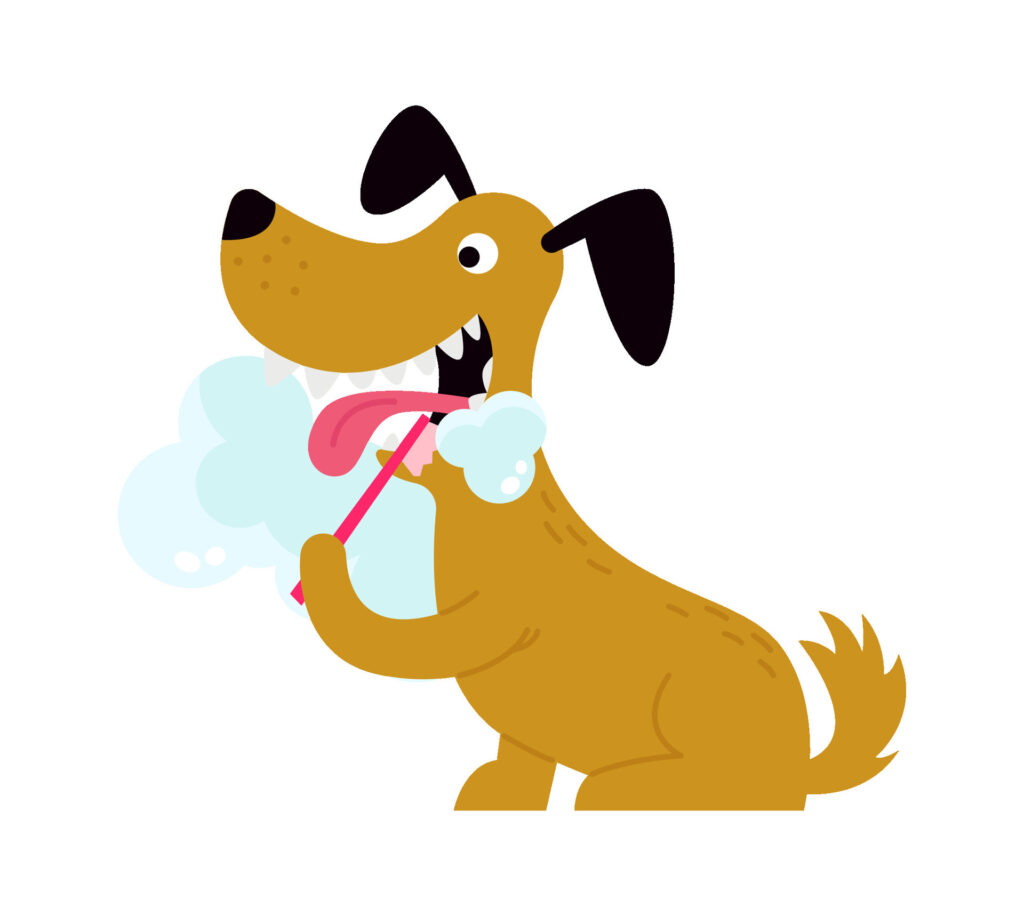
Keeping your dog’s teeth clean is about much more than fresh breath 🦷. Dental disease is one of the most common health problems in dogs, and it can lead to pain, infections, and even issues with the heart and kidneys. Here’s what you need to know 👇
❌ Myth 1: Bad breath is normal for dogs
✅ Truth: It’s not. Bad breath is often the first sign of dental disease. A healthy mouth should not smell unpleasant.
❌ Myth 2: Dry kibble cleans teeth on its own
✅ Truth: While chewing can help a little, kibble alone isn’t enough to prevent plaque and tartar build-up.
👉 Tips for Healthy Teeth:
- Brush your dog’s teeth daily if possible, using a dog-safe toothpaste (never human toothpaste).
- Use vet-approved dental chews or toys designed to reduce tartar.
- Offer crunchy snacks like raw carrots or apple slices (remove seeds).
- Book regular vet check-ups — they can spot problems early.
⚠️ Watch for signs of trouble: bad breath, drooling, pawing at the mouth, difficulty eating, or yellow/brown build-up on teeth.
✨ Key takeaway: Dental health is vital for your dog’s overall wellbeing. Prevention is always easier than dealing with dental surgery later. Keep those teeth clean and your dog will thank you with a happier, healthier smile.
🐱 Healthy & Happy: Dental Health in Cats

Cats are experts at hiding pain, which is why dental disease in cats often goes unnoticed until it’s severe 😿. But looking after their teeth is vital to keeping them healthy and comfortable.
❌ Myth 1: Cats don’t need dental care
✅ Truth: Dental disease is extremely common in cats. In fact, by the age of 3, most cats show some signs of dental problems.
❌ Myth 2: If my cat is still eating, their teeth are fine
✅ Truth: Cats are survivalists. They’ll often continue eating even with painful teeth or gums, masking the problem.
👉 Tips for Healthy Teeth:
- If your cat allows, gently brush with cat-safe toothpaste.
- Use special dental diets or treats that reduce tartar.
- Have your vet check their teeth at least once a year.
- Watch for bad breath, drooling, or reluctance to eat dry food.
⚠️ Never use dog toothpaste or human toothpaste — they are toxic to cats.
✨ Key takeaway: Dental problems in cats often go unnoticed until they’re advanced. Regular checks and prevention will keep your cat happier, healthier, and pain-free.
🐶 Healthy & Happy: Weight & Body Condition in Dogs
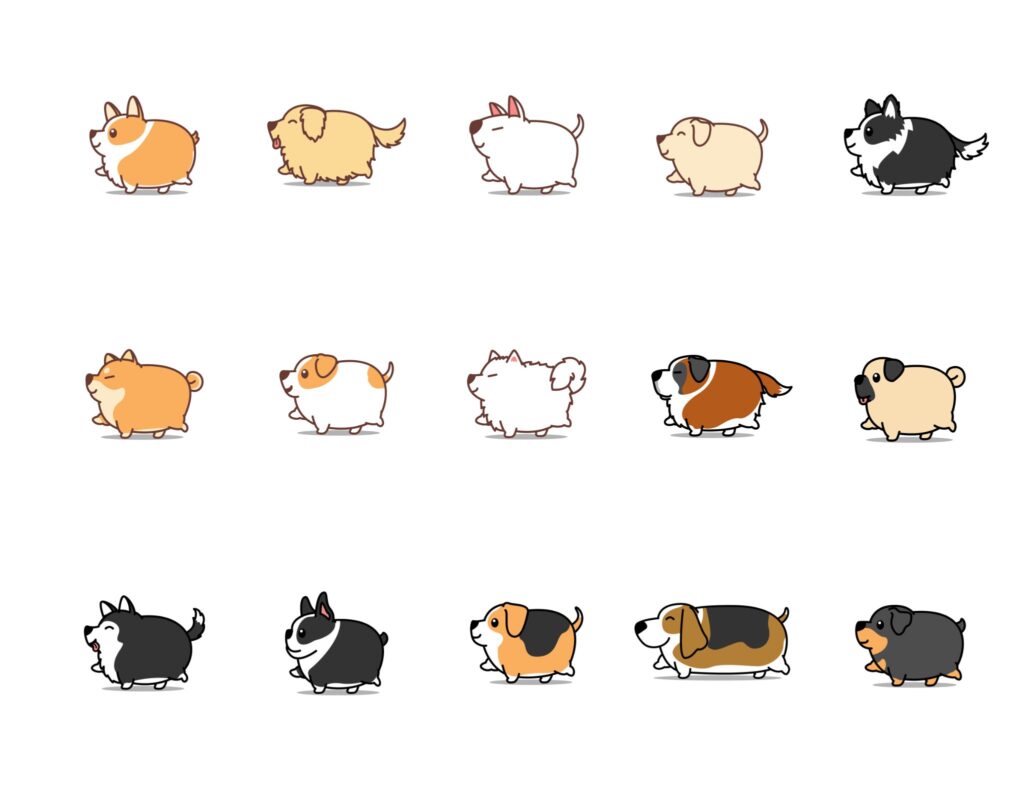
Did you know more than half of UK dogs are overweight? 🐕 Extra weight isn’t just a cosmetic issue — it can shorten your dog’s life and increase the risk of arthritis, diabetes, and heart disease.
❌ Myth 1: A chubby dog is a happy dog
✅ Truth: Even a small amount of extra weight can cause serious health issues over time.
👉 How to Check Body Condition:
- You should be able to feel ribs easily but not see them sticking out.
- From above, your dog should have a waistline.
- From the side, you should see a gentle tummy tuck, not a sag.
👉 Tips for Maintaining a Healthy Weight:
- Feed for body condition, not just the label on the food bag.
- Treats should make up no more than 10% of daily calories.
- Stick to regular walks suited to your dog’s breed and age.
- Use puzzle feeders to slow down fast eaters and provide mental stimulation.
✨ Key takeaway: A healthy weight means more energy, less strain on joints, and a longer, happier life. Ask your vet if you’re unsure about your dog’s body condition — they can guide you on diet and exercise.
🐱 Healthy & Happy: Weight & Body Condition in Cats
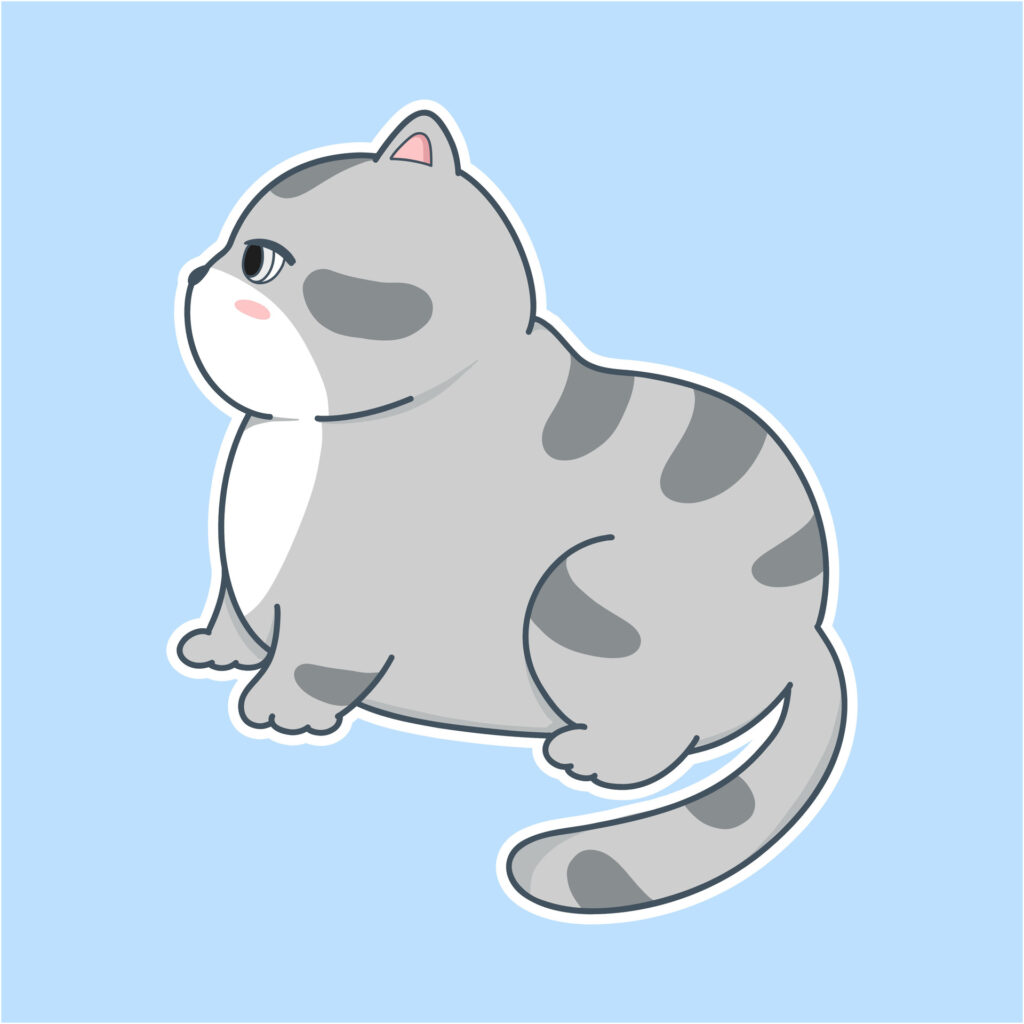
Obesity is one of the biggest health issues in cats, especially indoor ones. An overweight cat may look cuddly, but carrying extra weight can lead to diabetes, arthritis, urinary issues, and heart disease 🐾.
❌ Myth 1: Free-feeding (leaving food down all day) is fine
✅ Truth: Many cats will overeat if food is constantly available, especially if they’re bored or indoors.
❌ Myth 2: Cats self-regulate their diet
✅ Truth: Some cats do, but most will snack throughout the day. Without portion control, weight gain is common.
👉 How to Check Body Condition:
- You should feel ribs easily under a slight layer of fat.
- From above, there should be a waistline behind the ribs.
- From the side, you should see a gentle tummy tuck.
👉 Tips for Keeping Cats at a Healthy Weight:
- Weigh food portions — don’t just estimate.
- Use puzzle feeders or scatter feeding to encourage hunting behaviour.
- Encourage play with interactive toys to keep them moving.
- Indoor cats often need fewer calories than outdoor cats.
✨ Key takeaway: A healthy weight helps prevent disease and gives your cat the best quality of life. If you’re unsure, ask your vet to check your cat’s body condition — they can help with safe weight management.
🐶 Healthy & Happy: Exercise & Enrichment – Body and Mind
Exercise keeps dogs fit, but mental stimulation is just as important 🧠🐕. A bored dog can become destructive or anxious, while a well-exercised, enriched dog is calmer and happier.
❌ Myth 1: A quick daily walk is enough for every dog
✅ Truth: Exercise needs vary. A greyhound may be happy with a couple of short sprints, while a border collie needs long walks and mental challenges.
❌ Myth 2: Playing in the garden replaces walks
✅ Truth: While a garden helps, dogs need new smells, sights, and sounds to stay stimulated.
👉 Ideas for Enrichment:
- 🧩 Puzzle feeders and snuffle mats.
- 🎾 Fetch, tug, or hide-and-seek games.
- 🐾 Training sessions to teach new tricks or reinforce obedience.
- 🦴 Safe off-lead runs (only if recall is reliable).
- 👃 “Scent games” where your dog searches for hidden treats.
⚠️ Be careful not to over-exercise puppies, as their joints are still developing.
✨ Key takeaway: A tired dog isn’t just a happy dog — they’re healthier, calmer, and more confident. Match activity to breed and age, and don’t forget their brain needs a workout too!
🐶 Healthy & Happy: Skin & Coat Care – More Than Just Grooming
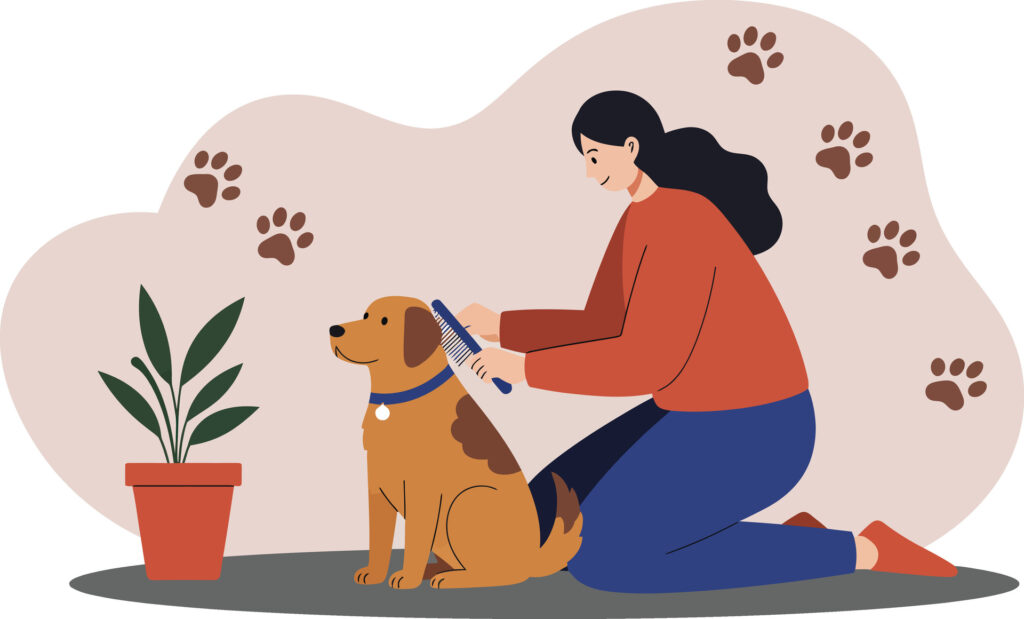
A shiny coat and healthy skin aren’t just about looking good — they’re signs of overall wellbeing ✨🐶.
❌ Myth 1: Short-haired dogs don’t need brushing
✅ Truth: All dogs benefit from grooming. Brushing removes loose hair, spreads natural oils, and lets you check for lumps, bumps, or parasites.
❌ Myth 2: Dogs need frequent baths
✅ Truth: Over-bathing can strip natural oils and cause dryness. Most dogs only need a bath every few months, unless they get especially dirty.
👉 Tips for Healthy Skin & Coat:
- Brush regularly — long coats may need daily attention, short coats weekly.
- Use dog-specific shampoo (never human shampoo).
- Check ears, paws, and skin folds for redness, odour, or discharge.
- Feed a balanced diet with omega-3s for skin and coat health.
- Watch for excessive scratching, bald spots, or dandruff — these may need vet attention.
✨ Key takeaway: Grooming isn’t just cosmetic — it’s an important health check. Regular brushing and skin checks keep your dog comfortable and healthy.
🐶 Healthy & Happy: Heat Safety – Staying Cool in Summer
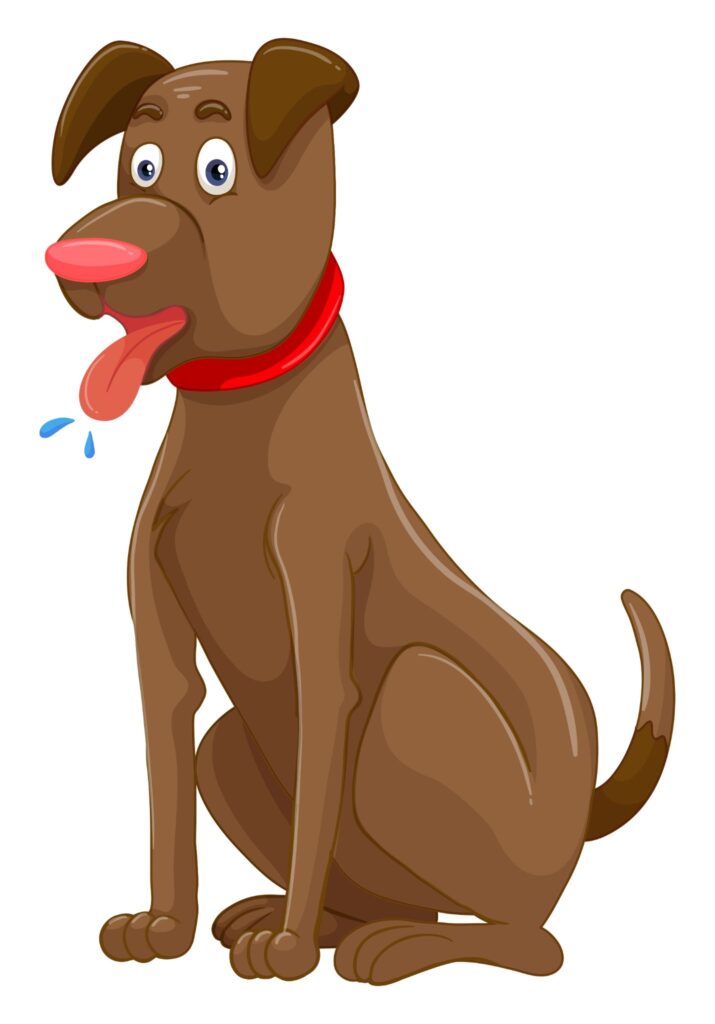
Dogs can overheat quickly, and heatstroke is life-threatening ☀️🐾. Even fit, healthy dogs are at risk, so prevention is vital.
❌ Myth 1: Leaving windows cracked makes it safe to leave dogs in cars
✅ Truth: Even with windows open, cars heat up dangerously fast. Never leave dogs in vehicles.
❌ Myth 2: Dogs can handle heat better than humans
✅ Truth: Dogs don’t sweat like we do. They mainly cool down through panting, which isn’t always enough.
👉 Heat Safety Tips:
- Walk early in the morning or later in the evening.
- Always provide fresh water and shade.
- Test pavements with your hand — if it’s too hot for you, it’s too hot for paws.
- Offer cooling mats, paddling pools, or frozen carrot treats.
- Flat-faced breeds (pugs, bulldogs) are especially at risk.
⚠️ Signs of heatstroke: heavy panting, drooling, vomiting, collapse. If suspected, cool your dog gradually with damp towels and call your vet immediately.
✨ Key takeaway: Heatstroke can kill — prevention is always safer than treatment. Plan walks wisely and keep your dog cool.
🐶 Healthy & Happy: Cold Weather Care – Winter Wellbeing
Accidents happen — knowing basic first aid can make all the difference in an emergency 🚑🐶.
❌ Myth 1: First aid replaces vet care
✅ Truth: First aid is about stabilising your dog until you can get to the vet — it never replaces professional treatment.
👉 Essentials Every Owner Should Know:
🩹 Bleeding: Apply firm, clean pressure to the wound.
🫁 Breathing: Know how to check if your dog is breathing and where to find their pulse (inside thigh).
🦴 Broken bones: Keep your dog still and get them to a vet — don’t try to set bones yourself.
🍗 Choking: If safe, clear the mouth. For small dogs, gentle back blows may help; for larger dogs, abdominal thrusts can be used (ask your vet to show you the safe method).
👉 First Aid Kit Must-Haves:
- Bandages & sterile pads.
- Tweezers for removing ticks or thorns.
- Saline solution for eye or wound washing.
- Vet’s phone number in your contacts.
✨ Key takeaway: First aid saves precious time. A little preparation can make you more confident and could save your dog’s life.
🐶 Healthy & Happy: Toxins & Hazards – Hidden Dangers at Home
Our homes and gardens are full of everyday items that can be dangerous for dogs. Knowing what to keep out of reach can prevent emergencies 🏡🐕.
❌ Myth 1: Dogs know what’s safe to eat
✅ Truth: Dogs will happily eat things that are harmful. Curiosity and scavenging can quickly lead to poisoning.
👉 Common Hazards:
🍫 Foods: Chocolate, grapes, raisins, onions, garlic, alcohol, caffeine, and sugar-free products with xylitol.
🌸 Plants: Lilies, daffodils, tulips, foxgloves.
🧴 Household: Cleaning products, bleach, medicines, antifreeze, rat poison.
🗑️ Garden & rubbish: Mouldy food, compost, lawn treatments.
👉 Safety Tips:
- Store cleaning products and food well out of reach.
- Never leave chocolate or grapes on counters.
- Teach a reliable “leave it” command.
- Call your vet immediately if you suspect ingestion — don’t wait.
✨ Key takeaway: Prevention is always better than treatment. A few simple precautions can protect your dog from serious harm.
🐶 Healthy & Happy: Mental Health & Stress – A Happy Mind
Dogs experience stress and anxiety just like humans. Left unchecked, it can affect behaviour and health 🐾💛.
❌ Myth 1: Dogs misbehave out of spite
✅ Truth: Behavioural issues are often a sign of stress, boredom, or anxiety — not naughtiness.
👉 Signs of Stress in Dogs:
- Pacing, panting, whining.
- Destructive chewing.
- Excessive licking or grooming.
- Hiding or avoiding interaction.
👉 Ways to Support Your Dog’s Mental Health:
- Stick to a consistent daily routine.
- Provide safe spaces where they can retreat.
- Enrichment games and toys reduce boredom.
- Training builds confidence.
- If stress is ongoing, speak to your vet or a qualified behaviourist.
✨ Key takeaway: A calm, enriched environment helps dogs thrive. Looking after their mental wellbeing is just as important as physical health.
🐶 Healthy & Happy: First Aid Basics – Be Prepared
Dogs experience stress and anxiety just like humans. Left unchecked, it can affect behaviour and health 🐾💛.
❌ Myth 1: Dogs misbehave out of spite
✅ Truth: Behavioural issues are often a sign of stress, boredom, or anxiety — not naughtiness.
👉 Signs of Stress in Dogs:
- Pacing, panting, whining.
- Destructive chewing.
- Excessive licking or grooming.
- Hiding or avoiding interaction.
👉 Ways to Support Your Dog’s Mental Health:
- Stick to a consistent daily routine.
- Provide safe spaces where they can retreat.
- Enrichment games and toys reduce boredom.
- Training builds confidence.
- If stress is ongoing, speak to your vet or a qualified behaviourist.
✨ Key takeaway: A calm, enriched environment helps dogs thrive. Looking after their mental wellbeing is just as important as physical health.
🐶 Healthy & Happy: Vaccinations & Worming – Protection Matters
Preventative care keeps your dog healthy and protects against serious illness 🐕💉.
❌ Myth 1: Vaccines aren’t necessary for healthy dogs
✅ Truth: Vaccines protect against life-threatening diseases like parvovirus and distemper. These can affect even strong, healthy dogs.
❌ Myth 2: Worming once a year is enough
✅ Truth: Dogs can pick up worms year-round. Some worms (like lungworm) can be deadly if untreated.
👉 Core Vaccines Protect Against:
- Parvovirus
- Distemper
- Hepatitis
- Leptospirosis
👉 Worming Protects Against:
- Roundworm
- Tapeworm
- Hookworm
- Lungworm
👉 Prevention Tips:
- Keep vaccines up to date — your vet will advise on boosters.
- Use regular flea, tick, and worming prevention.
- Pick up dog poo promptly to avoid spreading parasites.
✨ Key takeaway: Prevention is safer, easier, and far less costly than treatment. Keeping up with vaccines and worming protects your dog — and your family too.
🐶 Healthy & Happy: Senior Dog Care – Ageing Well
Our dogs may slow down with age, but with the right care they can stay happy and comfortable well into their senior years 💛🐾.
❌ Myth 1: Slowing down is just old age
✅ Truth: Stiffness, reluctance to play, or slowing on walks may be signs of arthritis or another condition. Don’t dismiss changes — your vet can help manage them.
👉 Signs of Ageing:
- Grey hairs, slower movement.
- Stiffness when rising or climbing stairs.
- Changes in appetite, thirst, or toileting.
- More sleep and less play.
👉 Tips for Supporting Senior Dogs:
- Feed a senior diet tailored to their needs (often lower calories, with added joint support).
- Provide soft, supportive bedding away from draughts.
- Keep walks gentle but regular — mobility needs movement.
- Book more frequent vet checks for early detection of issues.
- Use ramps or steps if jumping becomes difficult.
✨ Key takeaway: Ageing is natural, but discomfort doesn’t have to be. With extra care and regular check-ups, senior dogs can enjoy their golden years in comfort.
🐱 Healthy & Happy: Enrichment for Indoor Cats
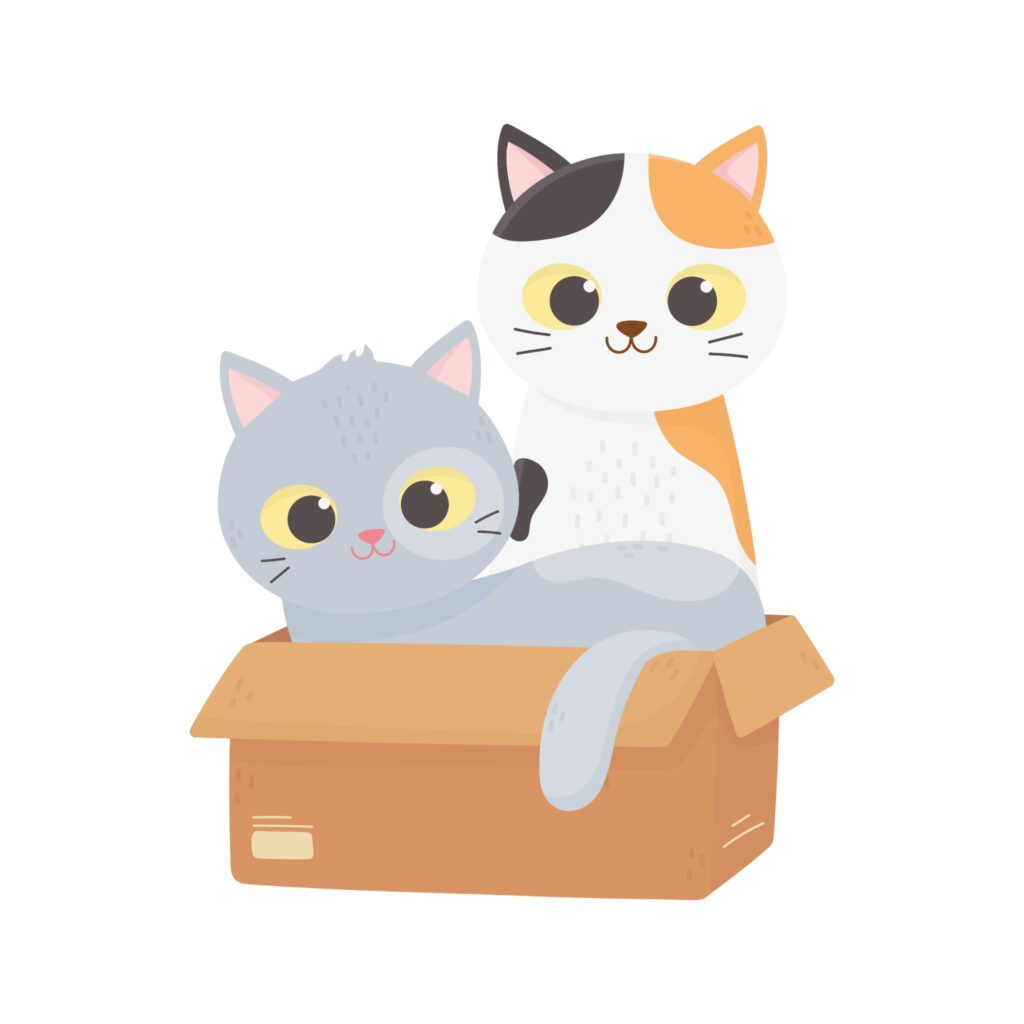
Indoor cats live safe, cosy lives, but they still need stimulation to stay mentally and physically healthy 🐈🧠. Without it, boredom and stress can set in.
❌ Myth 1: Cats don’t need playtime
✅ Truth: Cats are natural hunters. Play satisfies that instinct and prevents frustration.
👉 Ideas for Enrichment:
- 🐾 Scratching posts and climbing trees.
- 🪶 Wand toys or feather teasers for hunting play.
- 🎾 Puzzle feeders and food-dispensing toys.
- 👃 Hiding treats around the house to encourage foraging.
- 📦 Simple cardboard boxes or tunnels for hiding and exploring.
⚠️ Rotate toys often so they stay interesting.
✨ Key takeaway: Enrichment keeps indoor cats active, stimulated, and happy. Just 10–15 minutes of play a couple of times a day makes a huge difference.
🐱 Healthy & Happy: Skin & Coat Care in Cats
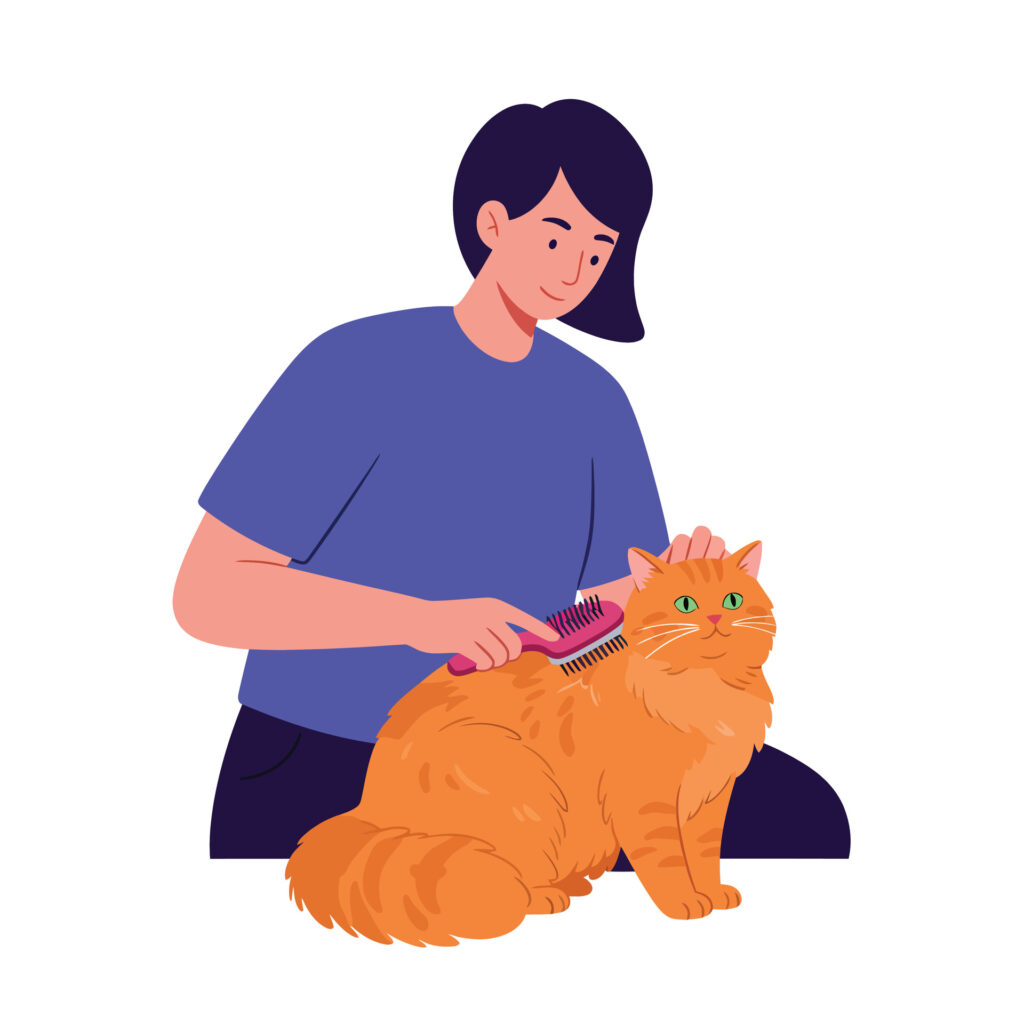
Cats are expert groomers, but they still need our help to keep their skin and coat healthy ✨🐱.
❌ Myth 1: Cats don’t need brushing
✅ Truth: Even short-haired cats benefit from regular brushing to remove loose fur and reduce hairballs. Long-haired cats may need daily grooming.
👉 Tips for Healthy Skin & Coat:
- Brush regularly — use gentle tools suited to your cat’s coat type.
- Check for bald patches, dandruff, or sores.
- Watch for over-grooming, which may signal stress or pain.
- Feed a balanced diet with omega-3s for skin health.
- Keep flea prevention up to date — fleas cause many skin issues.
✨ Key takeaway: Grooming isn’t just cosmetic. It helps prevent mats, reduces hairballs, and is a chance to spot early signs of health problems.
🐱 Healthy & Happy: Heat & Cold Safety in Cats

Cats are curious explorers — and that means they can get into things that are dangerous 🚫🐾.
❌ Myth 1: Cats know what’s poisonous
✅ Truth: Many toxic plants and foods smell appealing to cats, and they may chew or lick them out of curiosity.
👉 Common Dangers:
- 🍫 Foods: Chocolate, onions, garlic, grapes, raisins, alcohol, caffeine, xylitol.
- 🌸 Plants: Lilies (extremely toxic, even the pollen), daffodils, poinsettias, foxgloves.
- 🧴 Household: Antifreeze (very toxic, even in tiny amounts), cleaning products, medicines.
👉 Safety Tips:
- Keep lilies out of homes with cats.
- Store all cleaning products and medicines securely.
- Wipe up spills quickly, especially antifreeze.
- Contact your vet immediately if you suspect ingestion.
✨ Key takeaway: Prevention is key. Keeping toxic items out of reach could save your cat’s life.
🐱 Healthy & Happy: Toxins & Hazards for Cats
Cats feel extremes of temperature too, and need our help to stay safe ☀️❄️.
👉 In Summer:
- Always provide shade and fresh water.
- Never leave cats trapped in cars or greenhouses — even for minutes.
- Groom regularly to remove excess fur.
- Watch for signs of heatstroke: drooling, lethargy, panting (unusual for cats).
👉 In Winter:
- Outdoor cats may need more food to keep energy up.
- Check paws for ice, grit, or salt.
- Provide warm beds indoors, away from draughts.
- Tap your car bonnet before driving — cats sometimes shelter under engines for warmth.
✨ Key takeaway: Cats are resilient but not invincible. With simple precautions, you can keep them comfortable and safe year-round.
🐱 Healthy & Happy: Stress & Mental Health in Cats

Cats may seem independent, but they’re sensitive creatures. Stress can affect their health and behaviour 😿.
❌ Myth 1: Cats act out of spite
✅ Truth: Behaviour changes (like spraying or scratching) are usually signs of stress, not mischief.
👉 Signs of Stress:
- Hiding more than usual.
- Toileting outside the litter tray.
- Over-grooming or pulling out fur.
- Aggression or sudden changes in behaviour.
👉 How to Reduce Stress:
- Keep a consistent routine.
- Provide hiding places and vertical space (shelves, trees).
- Use multiple litter trays (one per cat, plus one spare).
- Consider pheromone diffusers to create calm.
- Seek vet advice if stress persists.
✨ Key takeaway: Cats thrive in calm, predictable environments. Reducing stress supports both mental and physical health.
🐱 Healthy & Happy: Senior Cat Care – Ageing Gracefully
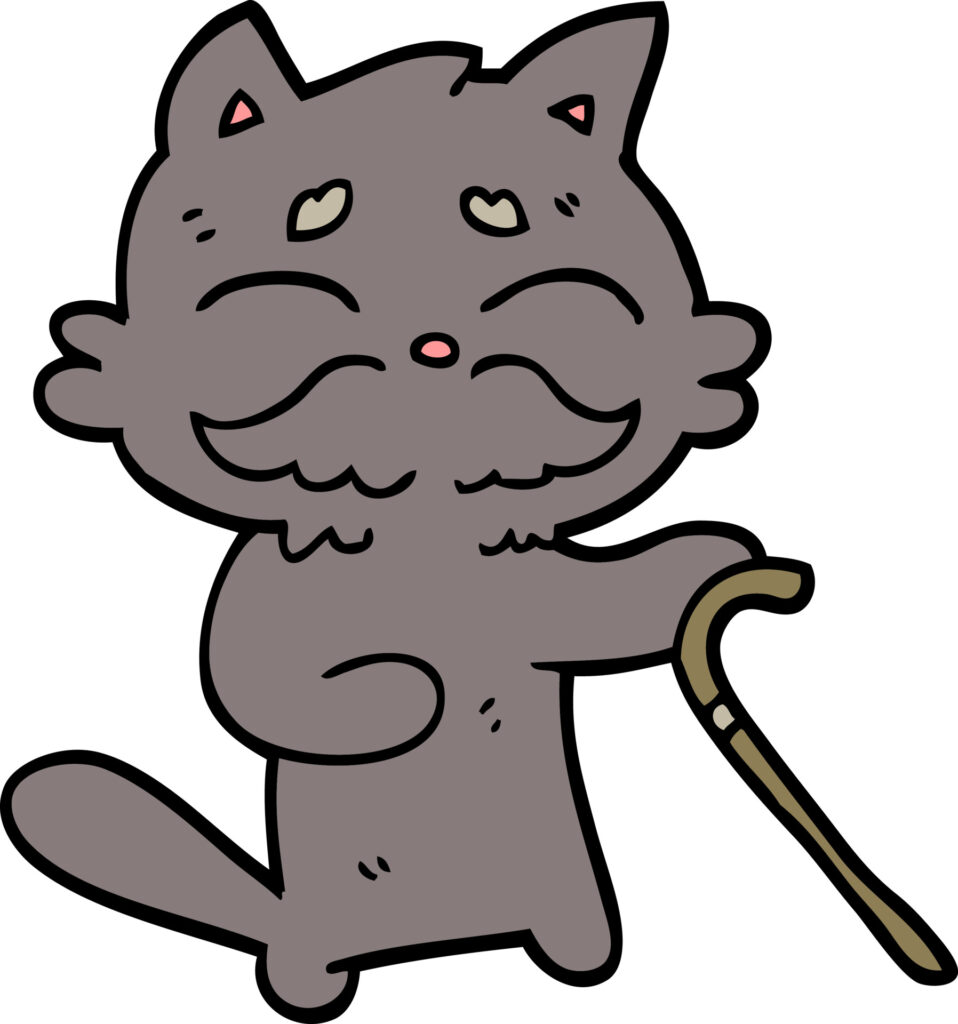
Older cats deserve comfort and care in their golden years 💜🐱. With age, they may need more support to stay healthy.
❌ Myth 1: Sleeping more is just laziness
✅ Truth: Increased sleep, changes in appetite, or toileting issues may signal health problems — not just age.
👉 Supporting Senior Cats:
- Feed a senior diet with kidney and joint support.
- Make food, water, and litter trays easy to access.
- Provide soft, warm bedding in quiet areas.
- Keep claws trimmed — older cats may scratch less.
- Schedule regular vet checks for early detection of issues.
✨ Key takeaway: Ageing cats can still enjoy life to the fullest. With extra care and vet support, they can stay comfortable, happy, and close by your side.
🐶 Healthy & Happy: Puppy Care – A Strong Start

Puppyhood is a whirlwind, but the right foundations make all the difference 🐕💛.
❌ Myth 1: Puppies should eat adult dog food
✅ Truth: Puppies need specially formulated puppy food with the right balance of protein, fat, and calcium for growth.
❌ Myth 2: Early training can wait
✅ Truth: Socialisation and training should start right away — it’s easier to prevent bad habits than fix them later.
👉 Top Tips for Puppies:
- Feed life-stage puppy food, split into several small meals a day.
- Book early vet visits for vaccines, worming, and flea prevention.
- Use positive reinforcement — reward calm, good behaviour.
- Toilet train with patience and consistency.
- Keep exercise gentle — joints and bones are still developing.
- Handle paws, ears, and mouth early to prepare for grooming and vet checks.
✨ Key takeaway: Good nutrition, gentle training, and positive experiences in puppyhood create a confident, happy dog for life.
🐱 Healthy & Happy: Kitten Care – Growing Up Strong

Kittens are bundles of energy, but their early weeks shape their future health and behaviour 🐱💛.
❌ Myth 1: Kittens can eat the same as adult cats
✅ Truth: Kittens need food specially designed for growth, with the right nutrients for strong bones, muscles, and immune systems.
❌ Myth 2: Socialisation only means meeting other cats
✅ Truth: It’s also about safe exposure to everyday experiences — being handled, travelling, and household sounds.
👉 Top Tips for Kittens:
- Feed kitten food until at least 12 months old.
- Book early vet visits for vaccines, flea, and worming.
- Provide scratching posts, climbing spots, and safe toys.
- Litter train with clean trays placed in quiet spots.
- Handle gently and regularly to build confidence.
- Keep play safe — no rough games with hands.
✨ Key takeaway: The first months set the stage for life. With the right care, kittens grow into healthy, confident adult cats.
🐶 Healthy & Happy: Travel Safety for Dogs
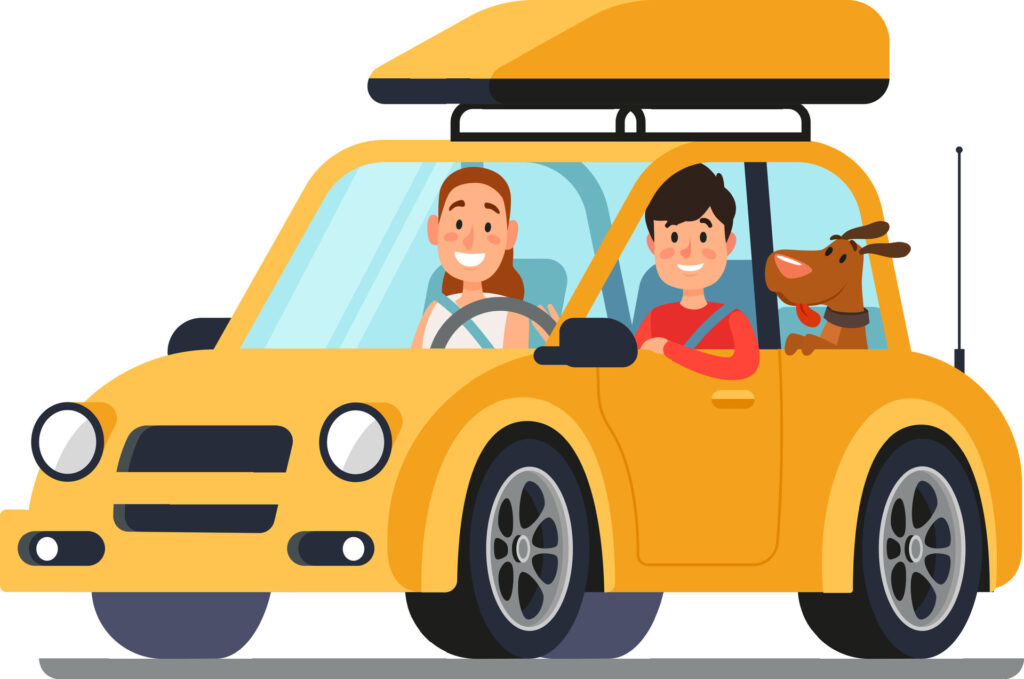
Whether it’s the vet or a long adventure, safe travel is essential 🚗🐾.
❌ Myth 1: Dogs are fine loose in the car
✅ Truth: The Highway Code requires dogs to be restrained. Loose dogs are a danger to themselves and the driver.
👉 Travel Safety Tips for Dogs:
- Use a seatbelt harness, crate, or boot guard.
- Bring water and take breaks on longer journeys.
- Never leave dogs in hot or cold cars.
- Open windows only slightly to prevent escape.
- Pack familiar blankets or toys to reduce stress.
✨ Key takeaway: Restraining your dog isn’t just the law — it keeps everyone safe and makes travel calmer.
🐱 Healthy & Happy: Travel Safety for Cats
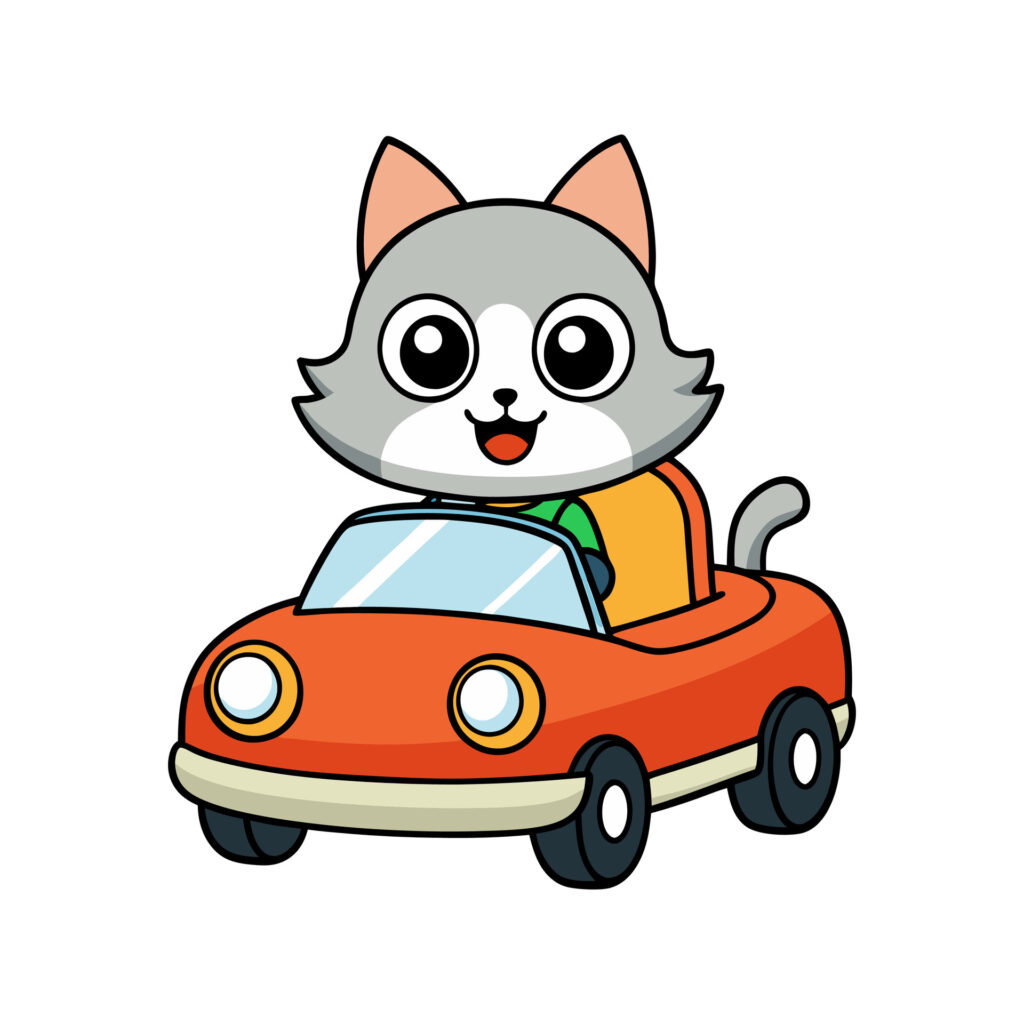
Most cats dislike travel, but with preparation it can be less stressful 🐈🚗.
❌ Myth 1: Calm cats don’t need carriers
✅ Truth: Even calm cats can panic in the car. A sturdy carrier is essential.
👉 Travel Safety Tips for Cats:
- Always use a secure, well-ventilated carrier.
- Line it with familiar blankets that smell like home.
- Cover the carrier with a light sheet to reduce stress.
- Avoid feeding just before travel to prevent sickness.
- Keep the car cool and quiet — no blasting radios.
- For very anxious cats, speak to your vet about calming aids.
✨ Key takeaway: A secure carrier and calm environment keep car journeys safer and less stressful for cats.
🐶 Healthy & Happy: Behaviour Basics in Dogs
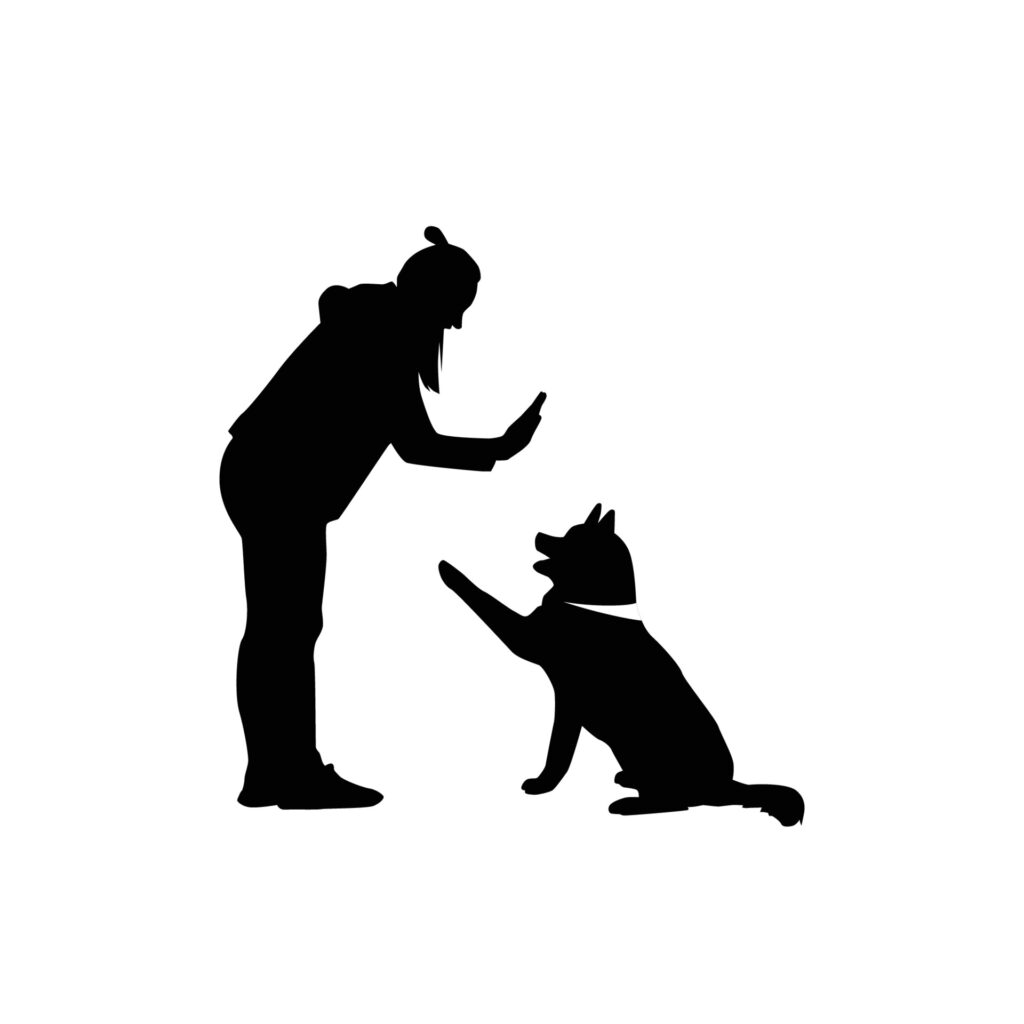
Many “naughty” behaviours are just normal dog instincts that need redirection 🐶💡.
❌ Myth 1: Dogs misbehave out of spite
✅ Truth: Chewing, barking, or digging are usually signs of stress, boredom, or lack of training — not revenge.
👉 Tips for Better Behaviour:
- Reward good behaviour with praise, treats, or play.
- Provide daily exercise and mental enrichment.
- Use consistency — everyone in the household should follow the same rules.
- Redirect unwanted behaviour rather than punish.
- Seek help from a trainer or vet if issues persist.
✨ Key takeaway: With patience and positive reinforcement, most behaviour challenges can be turned around.
🐱 Healthy & Happy: Behaviour Basics in Cats

Cats aren’t naughty — their behaviour often communicates stress, boredom, or natural instincts 🐱💡.
❌ Myth 1: Scratching furniture means your cat is misbehaving
✅ Truth: Scratching is a natural need. Without posts, cats will use sofas or carpets.
👉 Tips for Better Behaviour:
- Provide scratching posts and climbing spaces.
- Use puzzle feeders and play sessions to prevent boredom.
- Offer multiple litter trays in multi-cat homes.
- Don’t punish spraying or accidents — they may signal stress or medical issues.
- Give cats choice and control — never force cuddles.
✨ Key takeaway: Understanding your cat’s natural needs prevents unwanted behaviour and builds trust.